

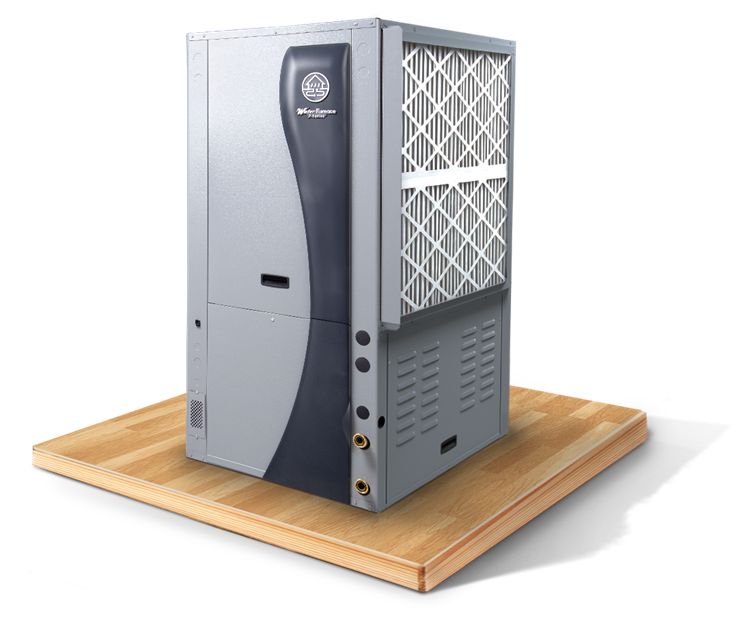
A Look at the WaterFurnace 7 Series Variable Speed Unit
If you’re considering replacing an aging furnace, especially one that burns oil, gas, or propane, geothermal heat pumps have moved into the spotlight as a practical, high-performance alternative. Among the current generation of geothermal systems, the WaterFurnace 7 Series Variable Speed unit is emerging as a standout choice for many homeowners. Here’s why.
1. Efficiency That Makes a Real Difference
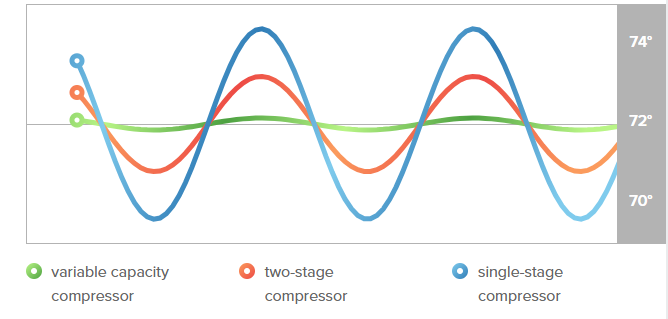
One of the biggest selling points of geothermal systems is efficiency and the 7 Series delivers. Unlike traditional furnaces that simply switch on and off at full power, this system features 12 varying speeds with a modulating compressor, variable speed blower and variable speed pumping system.
This matters because:
- The system can run at the lowest energy use necessary to meet heating or cooling needs.
- Instead of blasting heat at full capacity, it constantly adapts to conditions, reducing energy waste and often maintaining a more comfortable and even indoor temperature.
Compared with air-source heat pumps, which remain popular, a well-designed geothermal system like the 7 Series typically operates about twice as efficiently. This translates directly to lower utility bills over time.
2. Integrated Domestic Hot Water Heat Recovery (Desuperheater)
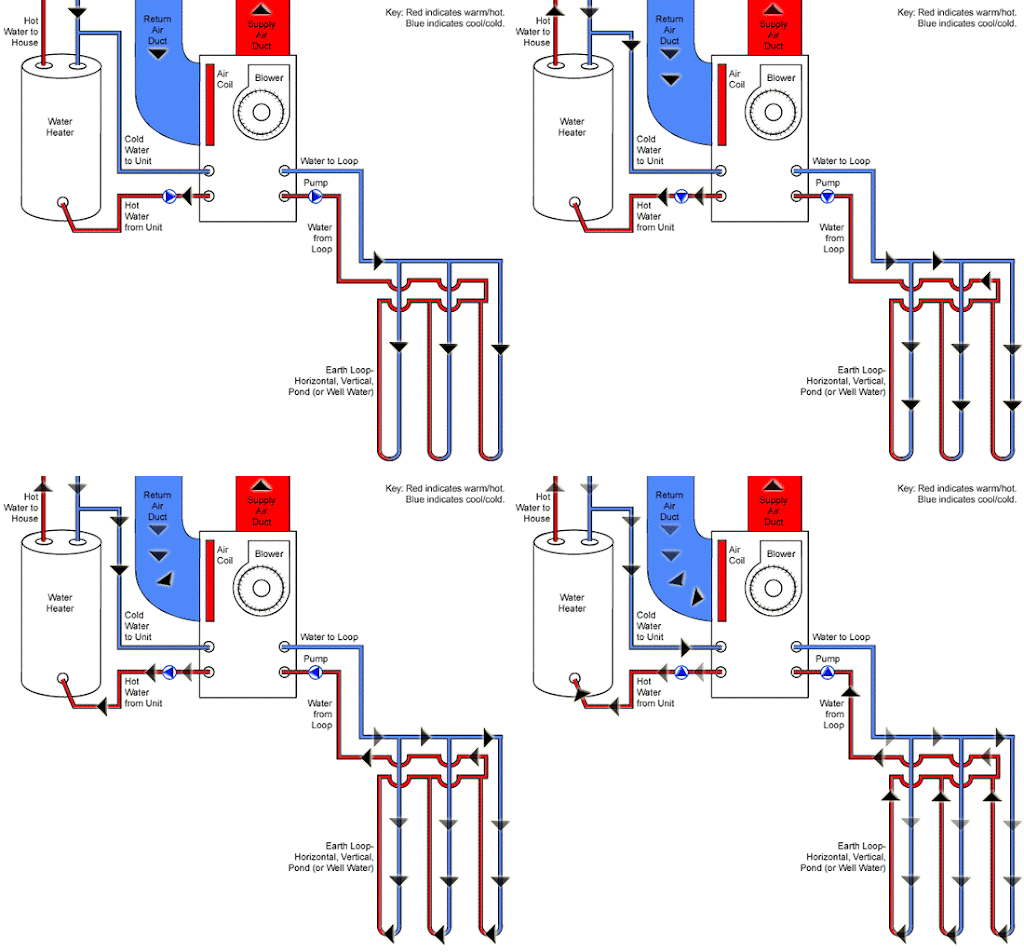
Many geothermal systems, including the 7 Series, can include a desuperheater, a component that captures excess heat produced by the compressor that is normally wasted, and redirects it to your home’s domestic hot water supply.
In practical terms:
- You can partially heat your water for free while the heat pump is operating.
- This reduces the energy your water heater uses, which is often one of the largest household loads after space heating and cooling.
Over the years, these incremental savings can add up, improving the overall return on investment. Typically, the Desuperheater is an add-on option. Be sure to ask your installer before you sign your contract as it is factory made – Meaning it cannot be added after the unit is built.
3. No Combustion, No Flames, No Emissions Indoors
Traditional furnaces burn fossil fuels producing combustion by-products that must be vented outdoors. While properly installed systems are generally safe, combustion inherently involves flames and exhaust gases.
Switching to a geothermal system means:
- No combustion in the home
- No risk of flame-related issues
- No venting of gas, oil, or propane exhaust indoors
For many families, eliminating flame and combustion emissions from the living space adds peace of mind and a tangible sense of safety.
4. Health Benefits: Cleaner Air, Fewer Pollutants
Because geothermal systems don’t burn fuel on site:
- There’s no combustion-related gas by-products introduced into your home.
- Better indoor air quality can benefit all occupants, especially those with asthma or respiratory sensitivities.
While indoor air quality depends on many factors (ventilation, humidity, filtration, etc.), removing one major source of indoor pollutants is a clear plus.
5. Electrification Is the Future
Across residential construction and renovation, electrification is becoming a standard design approach:
- Heat pumps (air source and geothermal) displace fossil fuels in heating, cooling, and water heating.
- Electrified systems pair well with renewable energy sources like rooftop solar.
- Electrification aligns with many utility decarbonization plans and climate goals.
In this context, a geothermal heat pump like the WaterFurnace 7 Series isn’t just a high-efficiency choice, it’s future-friendly.
6. Rebate and Tax Incentive Support
One frequent objection to geothermal has historically been upfront cost. Drilling ground loops or excavating your yard and installing a sophisticated system is an investment in your home.
But in 2026, many homeowners find that:
- NY State Tax Credits apply to geothermal heat pump installations.
- Local utility rebates help offset project costs.
Taken together, these incentives can bring a system into reach for many average homeowners. When long-term energy savings are included, the lifetime cost profile can be competitive with traditional HVAC replacements.
Do you live in Western New York and use National Grid, NYSEG or RG&E for your electrical supply? Click the links below to see what your incentives could be to install a geothermal heat pump!
In Summary
As we move through 2026, geothermal heat pumps, especially advanced models like the WaterFurnace 7 Series Variable Speed, have become a compelling furnace replacement for many reasons:
✔ Superior efficiency with modulating speeds
✔ Lower energy costs and better comfort
✔ Domestic hot water integration via desuperheater
✔ Zero combustion indoors – Safer and cleaner
✔ Health benefits from improved indoor air quality
✔ Alignment with electrification trends
✔ Incentives that make ownership feasible
For homeowners looking to reduce energy bills, minimize emissions, and invest in a future-oriented HVAC system, geothermal deserves a close look.

COMMENTS